Mammals in Florida
66 species of mammals have a mapped range in Florida. 24 are mapped across the whole state, among them the Brown Rat, the Eastern Pipistrelle and the Evening Bat.
The most restricted is the Red-bellied Squirrel, mapped in under 1% of the state.
The longest is the West Indian Manatee, at 13.1 ft (3,997 mm); the shortest is the Evening Bat, at 2.0 in (50 mm).
USGS marks 5 of them as introduced in the state: the Brown Rat, the House Mouse, the Roof Rat, the Coypu and the Black-tailed Jackrabbit.
The most species are mapped in Walton County (53); the fewest in St. Lucie County (40).
Open-licence records in the state (34,420 of them) peak in February and are fewest in September.
The most often recorded is the Hispid Cotton Rat, with 4,681 open-licence records in the state.
By the trait records, 50 are active at night, 12 are active by day and by night and 4 are active by day.
They belong to 23 families; the largest here is Vespertilionidae, with 13 species.
- 40 to 43
- 44 to 45
- 46 to 48
- 49 to 50
- 51 to 53
| Species | Size | Share of Florida | Active | Records | |
|---|---|---|---|---|---|
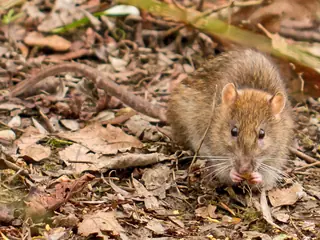 | Brown Rat introducedpossible Rattus norvegicus Muridae | 12 in (300 mm) body | all | night | 32 |
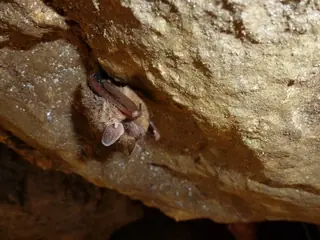 | Eastern Pipistrelle Perimyotis subflavus Vespertilionidae | 2.2 in (55 mm) body | all | night | 238 |
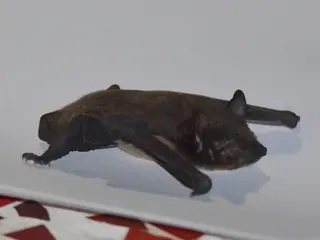 | Evening Bat Nycticeius humeralis Vespertilionidae | 2.0 in (50 mm) body | all | night | 171 |
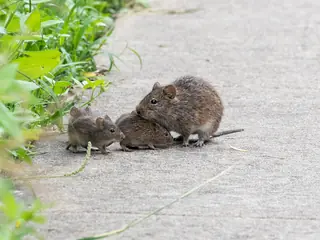 | Hispid Cotton Rat Sigmodon hispidus Cricetidae | 7.3 in (185 mm) body | all | day and night | 4,681 |
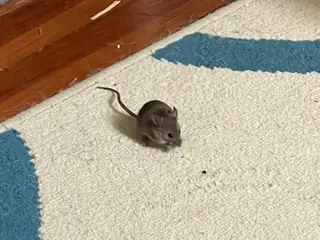 | House Mouse introducedpossible Mus musculus Muridae | 3.7 in (95 mm) body | all | night | 346 |
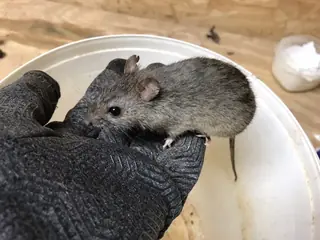 | Marsh Oryzomys Oryzomys palustris Cricetidae | 5.6 in (142 mm) body | all | day and night | 789 |
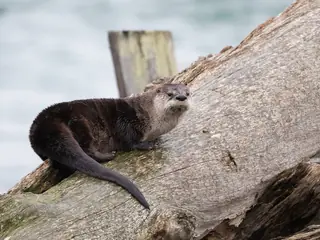 | North American River Otter Lontra canadensis Mustelidae | 2.4 ft (722 mm) body | all | night | 311 |
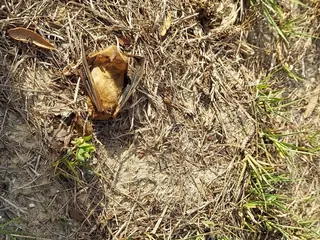 | Northern Yellow Bat Dasypterus intermedius Vespertilionidae | 3.5 in (89 mm) body | all | night | 350 |
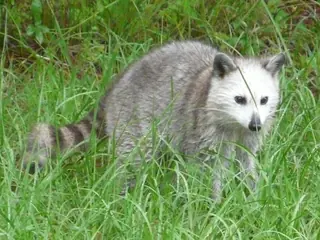 | Raccoon Procyon lotor Procyonidae | 24 in (600 mm) body | all | night | 1,582 |
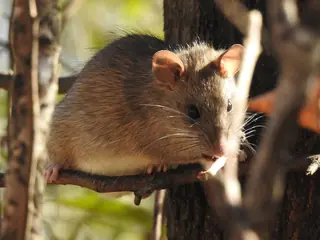 | Roof Rat introducedpossible Rattus rattus Muridae | 8.0 in (202 mm) body | all | night | 600 |
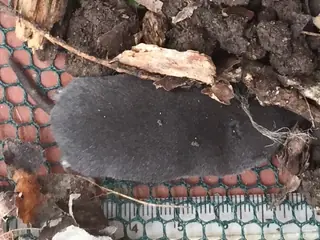 | Southern Short-tailed Shrew Blarina carolinensis Soricidae | 4.0 in (102 mm) body | all | day and night | 397 |
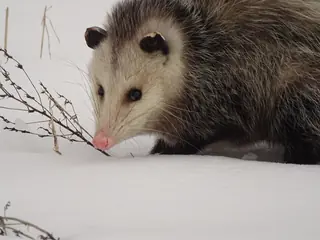 | Virginia Opossum Didelphis virginiana Didelphidae | 16 in (403 mm) body | all | night | 832 |
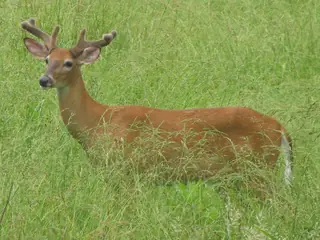 | White-tailed Deer Odocoileus virginianus Cervidae | 5.9 ft (1,807 mm) body | all | night | 1,080 |
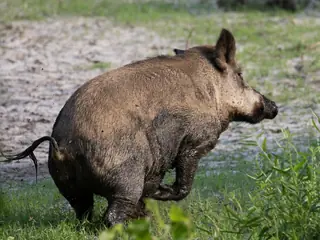 | Wild Boar Sus scrofa Suidae | 5.2 ft (1,575 mm) body | all | night | 187 |
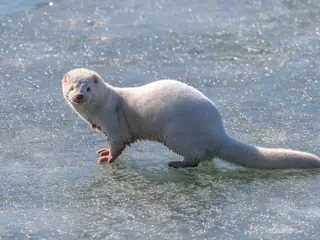 | American Mink Mustela vison Mustelidae | 17 in (430 mm) body | all | night | 31 |
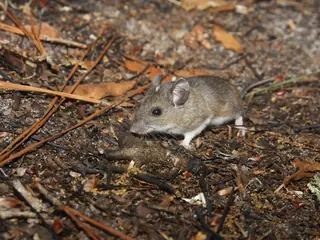 | Cotton Deermouse Peromyscus gossypinus Cricetidae | 4.0 in (103 mm) body | all | night | 4,235 |
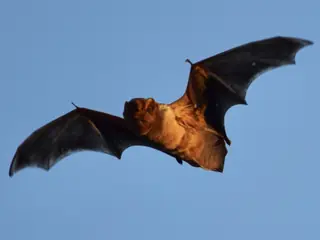 | Eastern Red Bat Lasiurus borealis Vespertilionidae | 0.5 oz (13 g) | all | night | 46 |
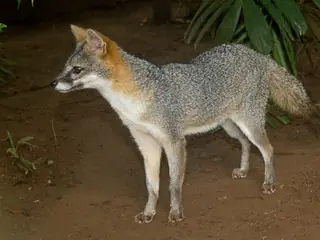 | Gray Fox Urocyon cinereoargenteus Canidae | 2.2 ft (671 mm) body | all | night | 142 |
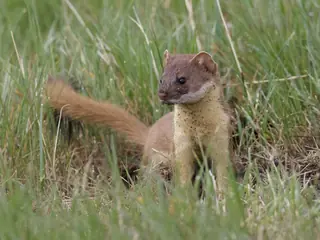 | Long-tailed Weasel Mustela frenata Mustelidae | 9.8 in (248 mm) body | all | day and night | 41 |
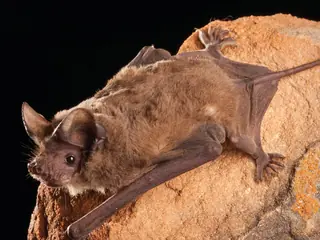 | Mexican Free-tailed Bat Tadarida brasiliensis Molossidae | 3.6 in (91 mm) body | all | night | 1,056 |
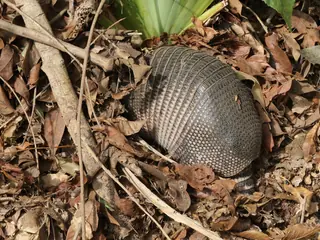 | Nine-banded Armadillo Dasypus novemcinctus Dasypodidae | 20 in (508 mm) body | all | night | 83 |
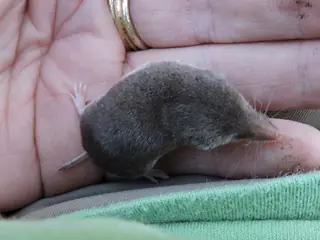 | North American Least Shrew Cryptotis parva Soricidae | 2.9 in (73 mm) body | all | night | 384 |
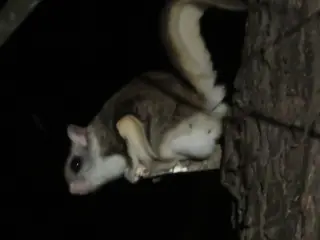 | Southern Flying Squirrel Glaucomys volans Sciuridae | 6.8 in (172 mm) body | all | night | 319 |
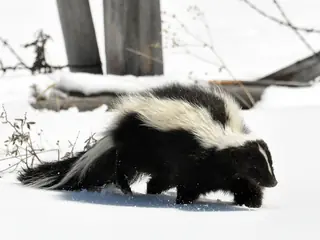 | Striped Skunk Mephitis mephitis Mephitidae | 17 in (430 mm) body | all | night | 93 |
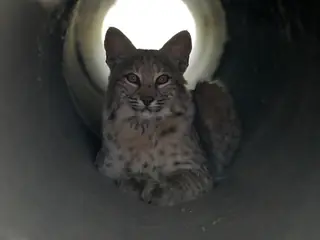 | Bobcat Lynx rufus Felidae | 3.1 ft (951 mm) body | 99% | night | 269 |
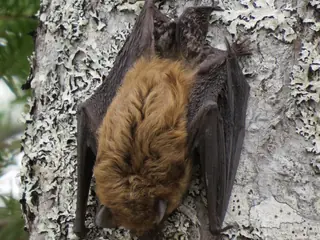 | Big Brown Bat Eptesicus fuscus Vespertilionidae | 3.0 in (75 mm) body | 99% | night | 17 |
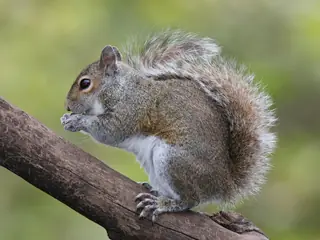 | Eastern Gray Squirrel Sciurus carolinensis Sciuridae | 12 in (315 mm) body | 98% | day | 2,584 |
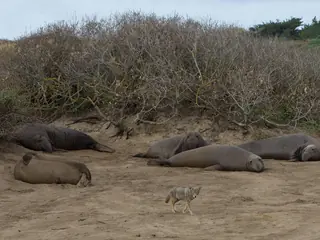 | Coyote Canis latrans Canidae | 3.0 ft (906 mm) body | 98% | night | 112 |
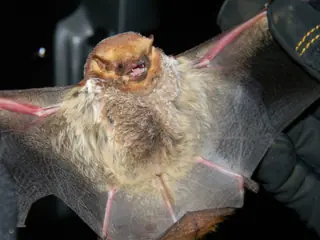 | Seminole Bat Lasiurus seminolus Vespertilionidae | 0.5 oz (13 g) | 98% | night | 260 |
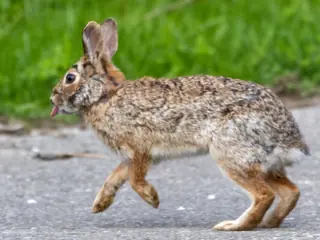 | Eastern Cottontail Sylvilagus floridanus Leporidae | 16 in (400 mm) body | 97% | night | 716 |
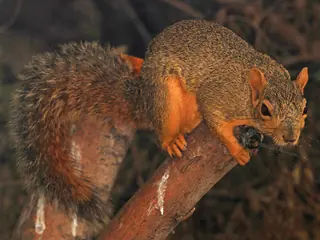 | Eastern Fox Squirrel Sciurus niger Sciuridae | 16 in (418 mm) body | 96% | day | 456 |
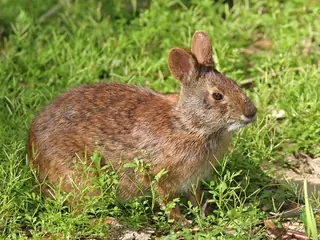 | Marsh Rabbit Sylvilagus palustris Leporidae | 16 in (406 mm) body | 96% | night | 988 |
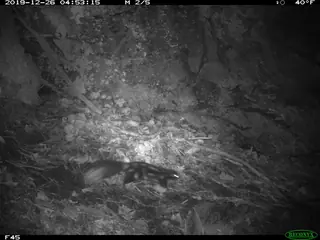 | Eastern Spotted Skunk Spilogale putorius Mephitidae | 13 in (320 mm) body | 95% | night | 177 |
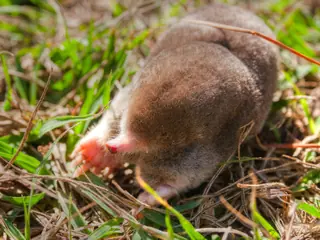 | Eastern Mole Scalopus aquaticus Talpidae | 5.8 in (148 mm) body | 91% | day and night | 387 |
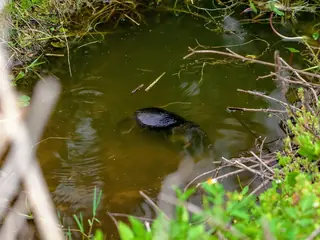 | Round-tailed Muskrat Neofiber alleni Cricetidae | 8.4 in (213 mm) body | 88% | night | 513 |
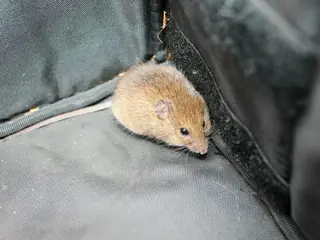 | Eastern Harvest Mouse Reithrodontomys humulis Cricetidae | 2.8 in (70 mm) body | 87% | night | 100 |
 | Rafinesque's Big-eared Bat Corynorhinus rafinesquii Vespertilionidae | 0.3 oz (9.2 g) | 84% | night | 8 |
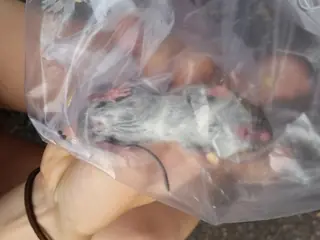 | Oldfield Deermouse Peromyscus polionotus Cricetidae | 3.8 in (97 mm) body | 79% | night | 3,798 |
| Southeastern Shrew Sorex longirostris Soricidae | 2.3 in (57 mm) body | 78% | day and night | 30 | |
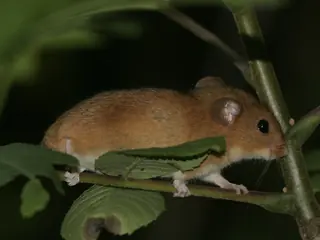 | Golden Mouse Ochrotomys nuttalli Cricetidae | 3.8 in (97 mm) body | 77% | night | 387 |
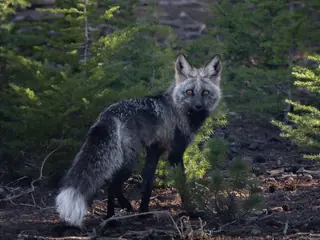 | Red Fox Vulpes vulpes Canidae | 2.1 ft (630 mm) body | 73% | night | 30 |
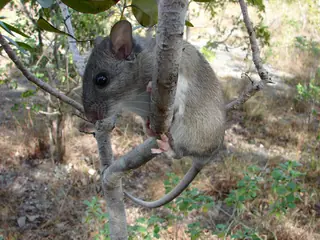 | Eastern Woodrat Neotoma floridana Cricetidae | 8.4 in (214 mm) body | 70% | night | 480 |
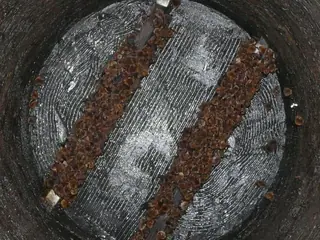 | Southeastern Myotis Myotis austroriparius Vespertilionidae | 0.3 oz (7.3 g) | 63% | night | 668 |
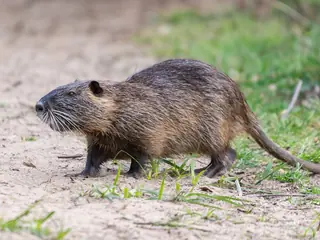 | Coypu introduced Myocastor coypus Myocastoridae | 23 in (577 mm) body | 62% | night | 21 |
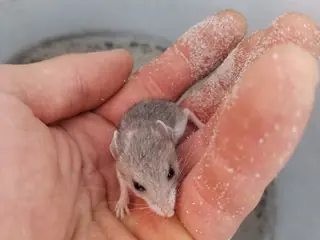 | Florida Deermouse Podomys floridanus Cricetidae | 4.5 in (115 mm) body | 59% | night | 3,157 |
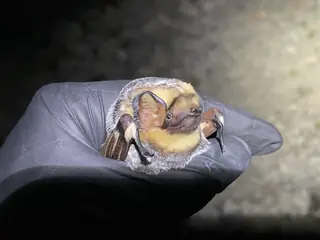 | Hoary Bat Aeorestes cinereus Vespertilionidae | 3.3 in (83 mm) body | 58% | night | 16 |
 | Southeastern Pocket Gopher Geomys pinetis Geomyidae | 9.4 in (240 mm) body | 51% | day and night | 1,105 |
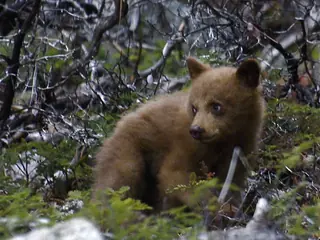 | American Black Bear Ursus americanus Ursidae | 5.2 ft (1,590 mm) body | 40% | night | 127 |
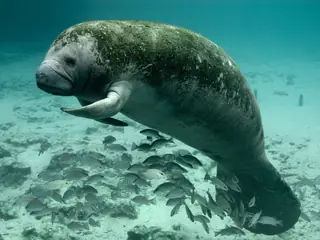 | West Indian Manatee Trichechus manatus Trichechidae | 13.1 ft (3,997 mm) body | 37% | day and night | 1,318 |
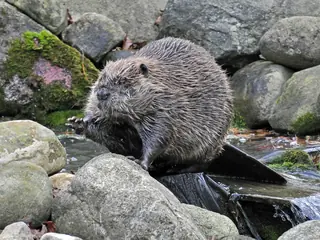 | American Beaver Castor canadensis Castoridae | 2.6 ft (777 mm) body | 32% | night | 15 |
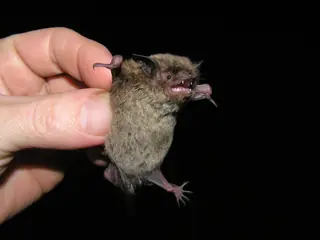 | Little Brown Myotis Myotis lucifugus Vespertilionidae | 2.1 in (53 mm) body | 24% | night | 6 |
| Wagner's Bonneted Bat Eumops glaucinus Molossidae | 3.7 in (95 mm) body | 22% | night | 3 | |
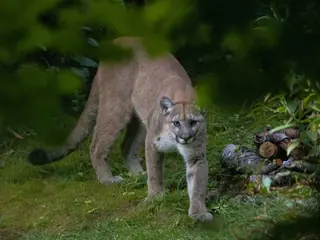 | Cougar Puma concolor Felidae | 5.5 ft (1,678 mm) body | 19% | day and night | 190 |
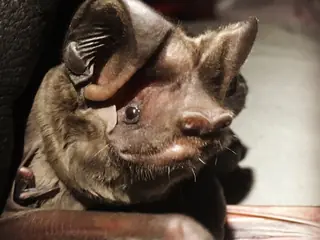 | Florida Bonneted Bat Eumops floridanus Molossidae | 3.7 in (95 mm) body | 19% | night | 58 |
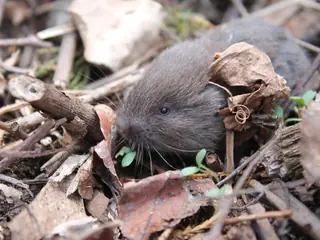 | Woodland Vole Microtus pinetorum Cricetidae | 4.1 in (103 mm) body | 15% | day and night | 35 |
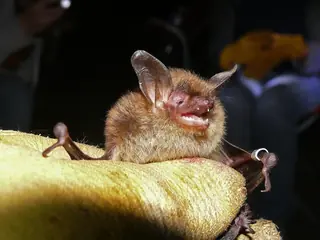 | Northern Myotis Myotis septentrionalis Vespertilionidae | 0.2 oz (6 g) | 13% | night | |
 | Gray Myotis Myotis grisescens Vespertilionidae | 0.4 oz (10 g) | 6% | night | 264 |
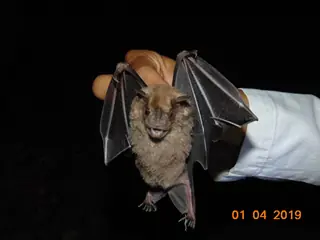 | Jamaican Fruit-eating Bat Artibeus jamaicensis Phyllostomidae | 3.7 in (93 mm) body | 5% | night | 1 |
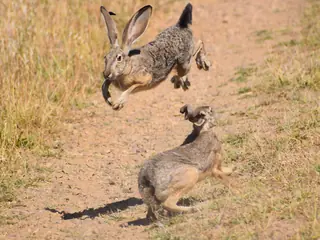 | Black-tailed Jackrabbit introduced Lepus californicus Leporidae | 20 in (505 mm) body | 4% | night | |
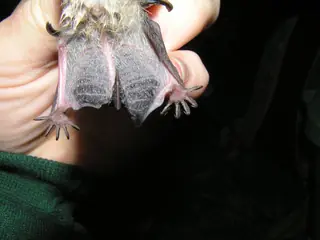 | Indiana Myotis Myotis sodalis Vespertilionidae | 2.2 in (55 mm) body | 2% | night | 1 |
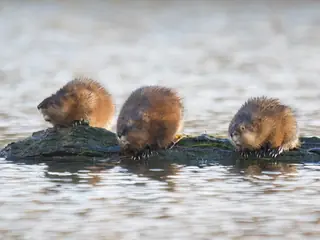 | Common Muskrat Ondatra zibethicus Cricetidae | 12 in (301 mm) body | 2% | night | |
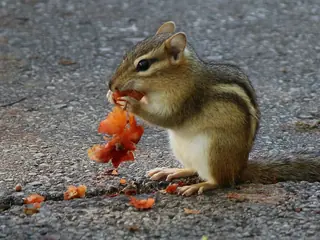 | Eastern Chipmunk Tamias striatus Sciuridae | 6.5 in (166 mm) body | 1% | day | 9 |
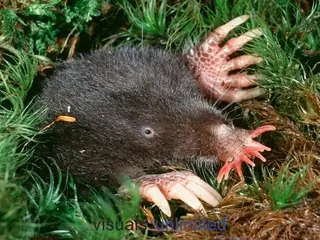 | Star-nosed Mole Condylura cristata Talpidae | 4.8 in (121 mm) body | 1% | day and night | |
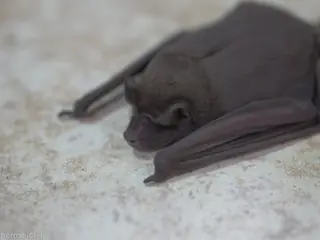 | Pallas's Mastiff Bat Molossus molossus Molossidae | 2.5 in (62 mm) body | under 1% | night | 1 |
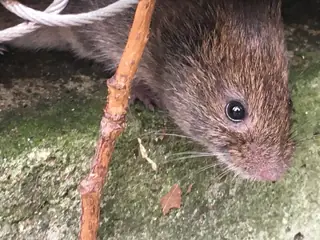 | Meadow Vole Microtus pennsylvanicus Cricetidae | 4.8 in (122 mm) body | under 1% | day and night | |
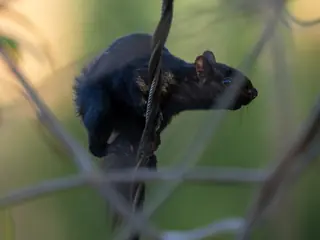 | Red-bellied Squirrel Sciurus aureogaster Sciuridae | 11 in (283 mm) body | under 1% | day | 18 |
Share of Florida is the part of the state inside the species' USGS range map. Size is the largest on record where the source gives a maximum, otherwise a typical adult. Records are open-licence observations and specimens in the state; a blank means none were counted, not that the species is absent.
More Florida lists
Other groups in Florida
Mammals in nearby states
Sources
- COMBINE: a coalesced mammal database of intrinsic and extrinsic traits. CC BY 4.0. Read 2026-11-15.
- EltonTraits 1.0. CC0. Read 2026-11-15.
- GBIF Backbone Taxonomy. CC BY 4.0. Read 2026-11-15.
- GBIF occurrence records under CC0 and CC BY 4.0. CC0 and CC BY 4.0 per record. Read 2026-11-15.
- US Census Bureau cartographic boundary files 2023. Public domain (US Census Bureau). Read 2026-11-15.
- USGS GAP 12-digit hydrologic unit range units. Public domain (USGS). Read 2026-11-15.
- USGS Gap Analysis Project Species Range Maps CONUS_2001. Public domain (USGS). Read 2026-11-15.
- iNaturalist photographs under CC0 and CC BY. CC0 and CC BY per photograph. Read 2026-11-15.
How each figure is derived is set out on the methods page.