Rodents in Oregon
66 species of rodents have a mapped range in Oregon. 3 are mapped across the whole state, among them the Brown Rat, the House Mouse and the North American Deermouse.
The most restricted is the Townsend's Ground Squirrel, mapped in under 1% of the state.
The longest is the American Beaver, at 2.6 ft (777 mm); the shortest is the Western Harvest Mouse, at 2.9 in (73 mm).
USGS marks 6 of them as introduced in the state: the Brown Rat, the House Mouse, the Coypu, the Roof Rat, the Eastern Fox Squirrel and 1 more.
The most species are mapped in Klamath County (39); the fewest in Clatsop County (21).
Open-licence records in the state (39,385 of them) peak in August and are fewest in January.
The most often recorded is the North American Deermouse, with 8,174 open-licence records in the state.
By the trait records, 34 are active at night, 21 are active by day and 10 are active by day and by night.
They belong to 10 families; the largest here is Cricetidae, with 23 species.
- 21 to 25
- 26 to 28
- 29 to 31
- 32 to 34
- 35 to 39
| Species | Size | Share of Oregon | Active | Records | |
|---|---|---|---|---|---|
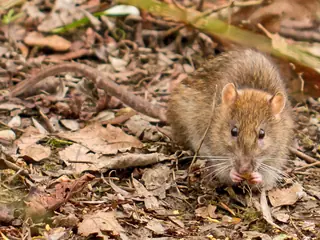 | Brown Rat introducedpossible Rattus norvegicus Muridae | 12 in (300 mm) body | all | night | 43 |
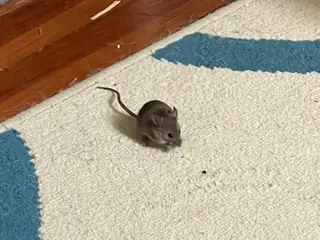 | House Mouse introducedpossible Mus musculus Muridae | 3.7 in (95 mm) body | all | night | 119 |
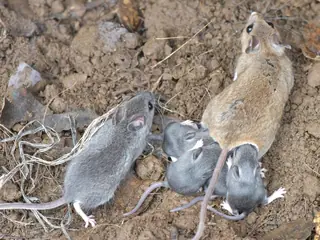 | North American Deermouse Peromyscus maniculatus Cricetidae | 3.9 in (99 mm) body | all | night | 8,174 |
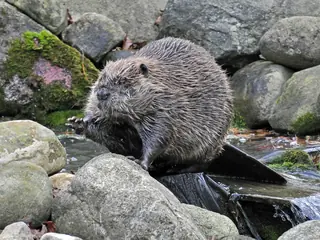 | American Beaver Castor canadensis Castoridae | 2.6 ft (777 mm) body | 99% | night | 1,816 |
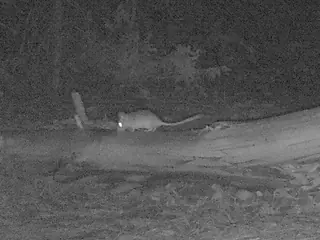 | Bushy-tailed Woodrat Neotoma cinerea Cricetidae | 8.9 in (227 mm) body | 99% | night | 659 |
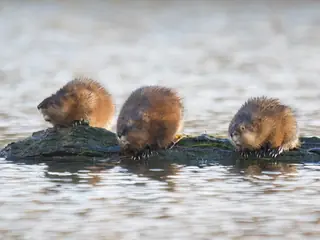 | Common Muskrat Ondatra zibethicus Cricetidae | 12 in (301 mm) body | 95% | night | 403 |
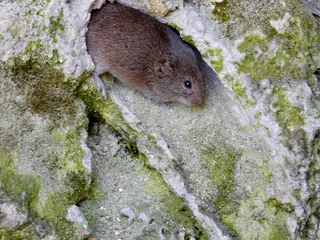 | Long-tailed Vole Microtus longicaudus Cricetidae | 5.3 in (135 mm) body | 90% | day and night | 910 |
 | North American Porcupine Erethizon dorsatus Erethizontidae | 17.7 lb (8.0 kg) | 78% | 186 | |
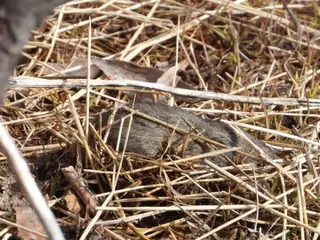 | Montane Vole Microtus montanus Cricetidae | 5.2 in (132 mm) body | 75% | day and night | 1,257 |
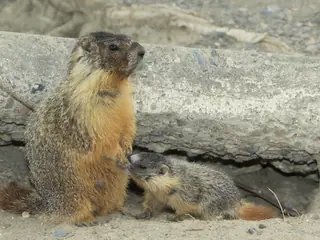 | Yellow-bellied Marmot Marmota flaviventris Sciuridae | 20 in (506 mm) body | 71% | day | 203 |
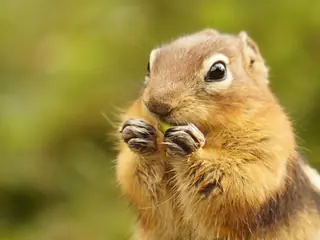 | Golden-mantled Ground Squirrel Callospermophilus lateralis Sciuridae | 12 in (310 mm) body | 70% | day | 1,106 |
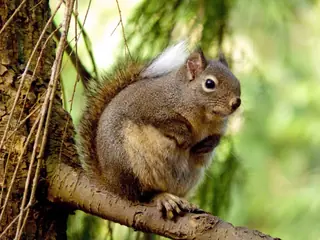 | Douglas's Squirrel Tamiasciurus douglasii Sciuridae | 9.1 in (230 mm) body | 67% | day | 1,396 |
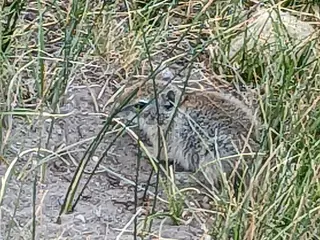 | Belding's Ground Squirrel Urocitellus beldingi Sciuridae | 13 in (321 mm) body | 66% | day | 748 |
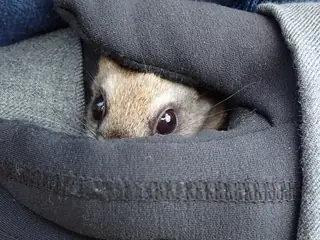 | Northern Flying Squirrel Glaucomys sabrinus Sciuridae | 11 in (268 mm) body | 65% | night | 591 |
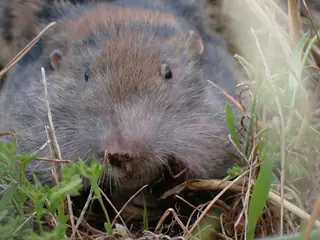 | Northern Pocket Gopher Thomomys talpoides Geomyidae | 9.0 in (228 mm) body | 65% | night | 1,336 |
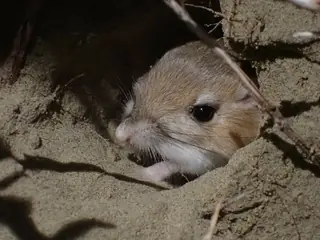 | Ord's Kangaroo Rat Dipodomys ordii Heteromyidae | 6.2 in (157 mm) body | 61% | night | 768 |
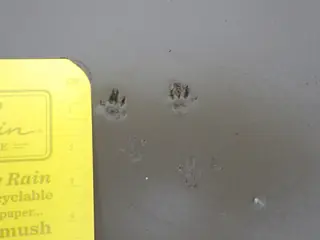 | Western Harvest Mouse Reithrodontomys megalotis Cricetidae | 2.9 in (73 mm) body | 57% | night | 245 |
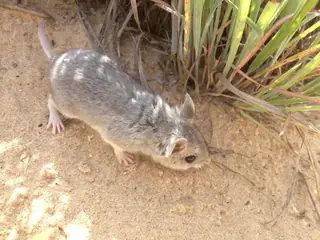 | Northern Grasshopper Mouse Onychomys leucogaster Cricetidae | 5.0 in (127 mm) body | 56% | night | 137 |
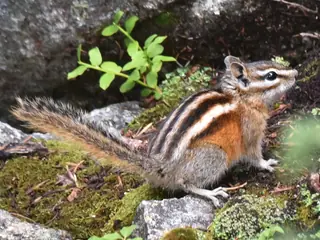 | Least Chipmunk possible Tamias minimus Sciuridae | 4.4 in (112 mm) body | 56% | day | 559 |
| Western Jumping Mouse Zapus princeps Dipodidae | 4.0 in (102 mm) body | 55% | night | 353 | |
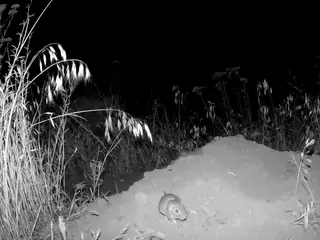 | Great Basin Pocket Mouse Perognathus parvus Heteromyidae | 3.2 in (82 mm) body | 54% | night | 796 |
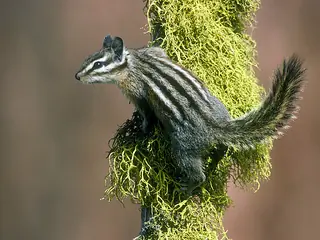 | Yellow-pine Chipmunk possible Tamias amoenus Sciuridae | 4.6 in (118 mm) body | 53% | day | 1,514 |
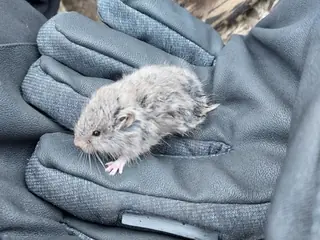 | Sagebrush Vole Lemmiscus curtatus Cricetidae | 4.5 in (114 mm) body | 53% | night | 324 |
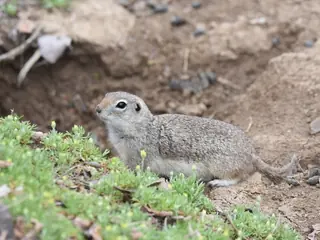 | Merriam's Ground Squirrel Urocitellus canus Sciuridae | 16 in (406 mm) body | 42% | day | 329 |
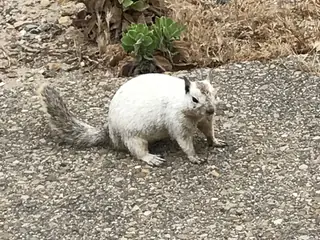 | California Ground Squirrel Otospermophilus beecheyi Sciuridae | 14 in (366 mm) body | 39% | day | 326 |
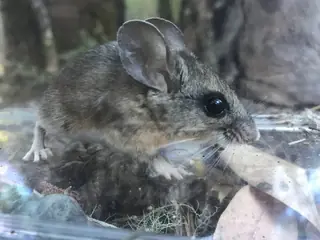 | Pinon Deermouse Peromyscus truei Cricetidae | 4.0 in (102 mm) body | 37% | night | 143 |
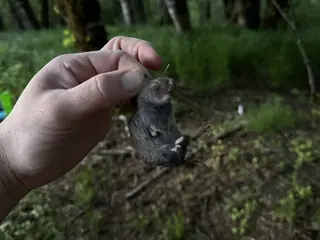 | Creeping Vole Microtus oregoni Cricetidae | 4.2 in (106 mm) body | 36% | day and night | 961 |
| Canyon Deermouse Peromyscus crinitus Cricetidae | 3.3 in (84 mm) body | 35% | night | 209 | |
 | Sewellel Aplodontia rufa Aplodontiidae | 15 in (384 mm) body | 35% | day and night | 526 |
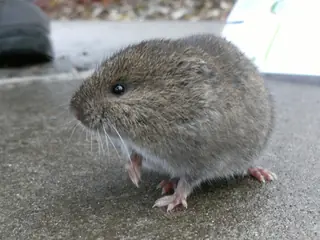 | Western Red-backed Vole Myodes californicus Cricetidae | 4.3 in (110 mm) body | 35% | day and night | 1,504 |
 | Pacific Jumping Mouse Zapus trinotatus Dipodidae | 3.8 in (98 mm) body | 34% | night | 680 |
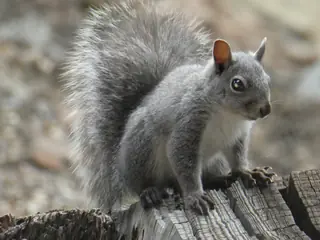 | Western Gray Squirrel Sciurus griseus Sciuridae | 12 in (293 mm) body | 33% | day | 853 |
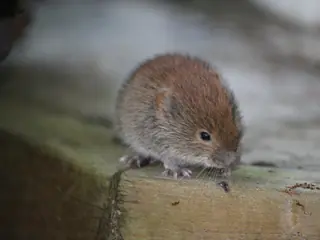 | Southern Red-backed Vole Myodes gapperi Cricetidae | 4.3 in (110 mm) body | 31% | day and night | 381 |
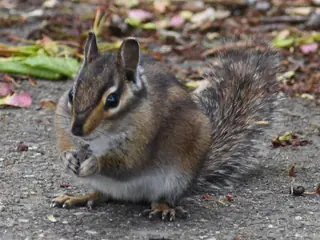 | Townsend's Chipmunk Tamias townsendii Sciuridae | 5.5 in (139 mm) body | 30% | day | 2,352 |
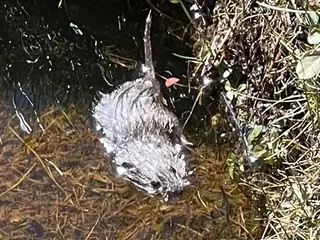 | North American Water Vole Microtus richardsoni Cricetidae | 6.3 in (160 mm) body | 27% | day and night | 273 |
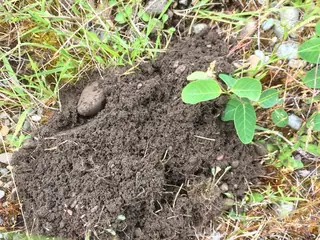 | Western Pocket Gopher Thomomys mazama Geomyidae | 8.9 in (225 mm) body | 26% | night | 1,462 |
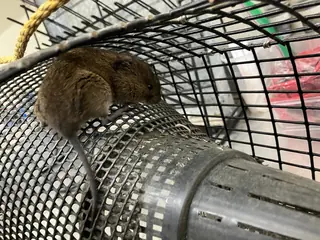 | Townsend's Vole Microtus townsendii Cricetidae | 5.9 in (150 mm) body | 26% | day and night | 568 |
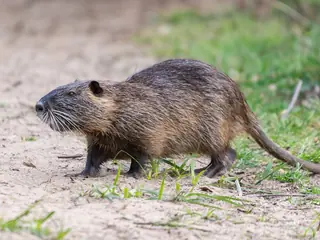 | Coypu introduced Myocastor coypus Myocastoridae | 23 in (577 mm) body | 25% | night | 400 |
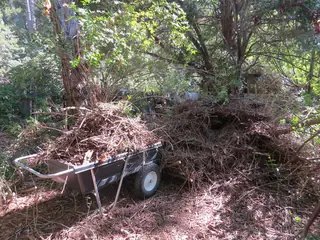 | Dusky-footed Woodrat Neotoma fuscipes Cricetidae | 8.6 in (218 mm) body | 25% | night | 208 |
| White-footed Vole Arborimus albipes Cricetidae | 4.2 in (108 mm) body | 25% | night | 134 | |
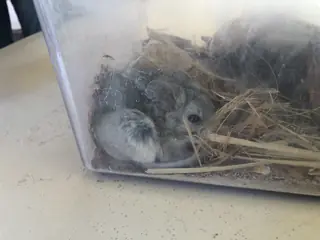 | Desert Woodrat Neotoma lepida Cricetidae | 6.7 in (171 mm) body | 24% | night | 80 |
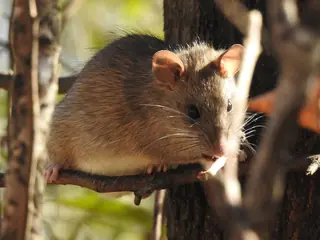 | Roof Rat introducedpossible Rattus rattus Muridae | 8.0 in (202 mm) body | 23% | night | 78 |
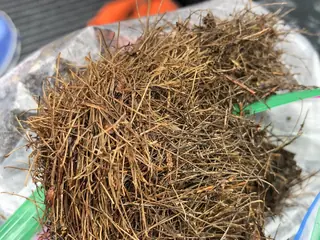 | Red Tree Vole Arborimus longicaudus Cricetidae | 4.2 in (107 mm) body | 21% | night | 507 |
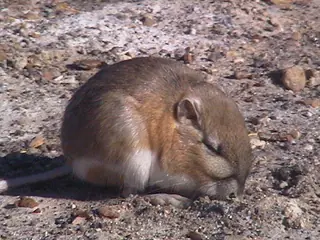 | Chisel-toothed Kangaroo Rat Dipodomys microps Heteromyidae | 6.1 in (156 mm) body | 21% | night | 65 |
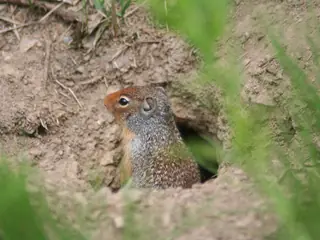 | Columbian Ground Squirrel Urocitellus columbianus Sciuridae | 14 in (351 mm) body | 20% | day | 184 |
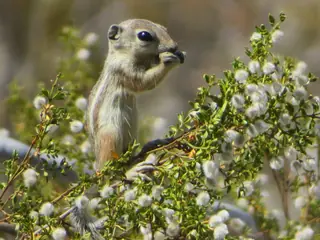 | White-tailed Antelope Squirrel Ammospermophilus leucurus Sciuridae | 6.3 in (160 mm) body | 20% | day | 155 |
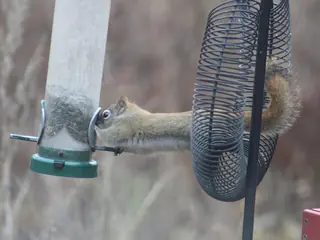 | Red Squirrel Tamiasciurus hudsonicus Sciuridae | 7.5 in (190 mm) body | 15% | day | 611 |
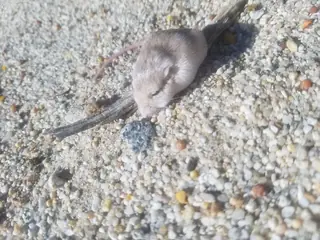 | Little Pocket Mouse Perognathus longimembris Heteromyidae | 0.3 oz (8.3 g) | 12% | night | 35 |
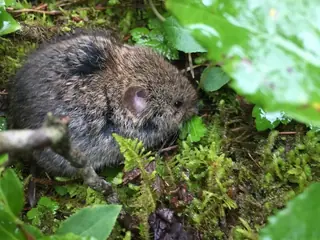 | Western Heather Vole Phenacomys intermedius Cricetidae | 4.4 in (112 mm) body | 12% | night | 90 |
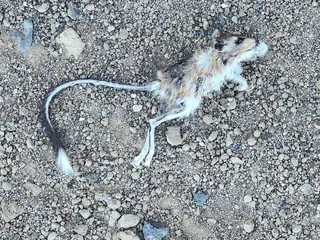 | California Kangaroo Rat Dipodomys californicus Heteromyidae | 4.5 in (115 mm) body | 11% | night | 123 |
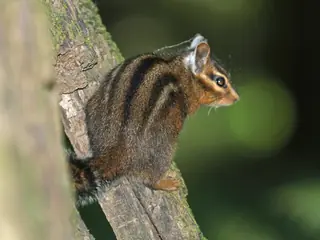 | Shadow Chipmunk Tamias senex Sciuridae | 5.7 in (145 mm) body | 11% | day | 178 |
| Dark Kangaroo Mouse Microdipodops megacephalus Heteromyidae | 3.0 in (75 mm) body | 11% | night | 221 | |
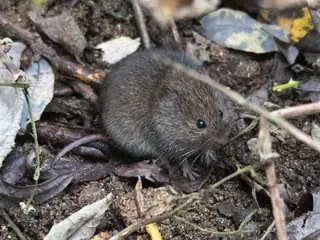 | California Vole Microtus californicus Cricetidae | 5.5 in (141 mm) body | 10% | day and night | 126 |
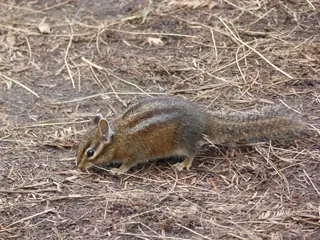 | Siskiyou Chipmunk Tamias siskiyou Sciuridae | 5.7 in (145 mm) body | 10% | day | 392 |
| Townsend's Pocket Gopher Thomomys townsendii Geomyidae | 7.2 in (184 mm) body | 9% | night | 203 | |
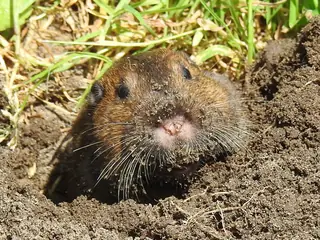 | Botta's Pocket Gopher possible Thomomys bottae Geomyidae | 9.1 in (231 mm) body | 9% | night | 243 |
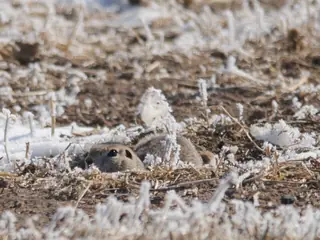 | Piute Ground Squirrel Urocitellus mollis Sciuridae | 11 in (290 mm) body | 6% | day | 15 |
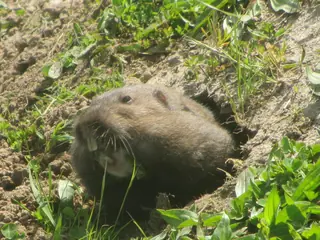 | Camas Pocket Gopher Thomomys bulbivorus Geomyidae | 7.9 in (199 mm) body | 5% | night | 648 |
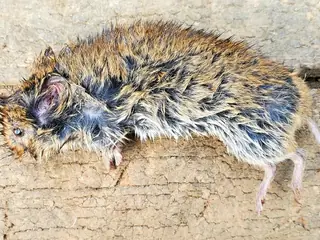 | Gray-tailed Vole Microtus canicaudus Cricetidae | 4.9 in (124 mm) body | 4% | day and night | 271 |
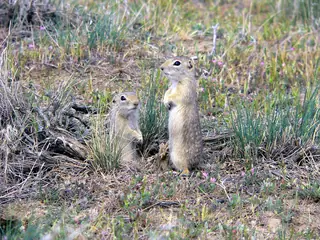 | Washington Ground Squirrel Urocitellus washingtoni Sciuridae | 11 in (286 mm) body | 2% | day | 54 |
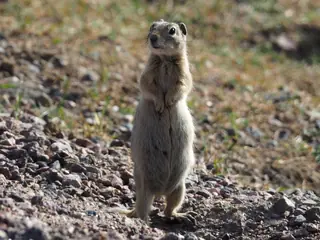 | Wyoming Ground Squirrel Urocitellus elegans Sciuridae | 12 in (308 mm) body | 2% | day | 7 |
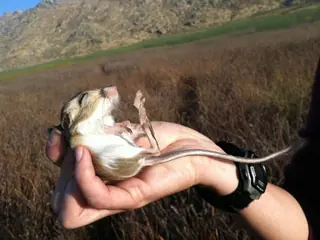 | Desert Kangaroo Rat Dipodomys deserti Heteromyidae | 6.7 in (169 mm) body | under 1% | night | |
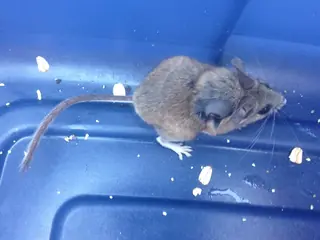 | Brush Deermouse Peromyscus boylii Cricetidae | 4.2 in (107 mm) body | under 1% | night | 7 |
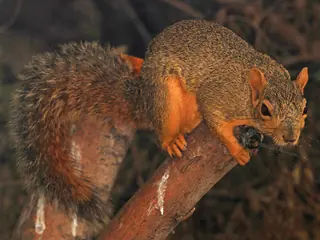 | Eastern Fox Squirrel introducedpossible Sciurus niger Sciuridae | 16 in (418 mm) body | under 1% | day | 231 |
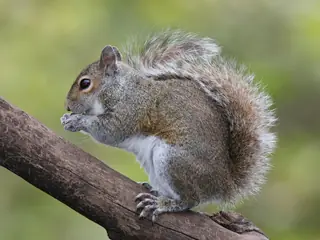 | Eastern Gray Squirrel introducedpossible Sciurus carolinensis Sciuridae | 12 in (315 mm) body | under 1% | day | 562 |
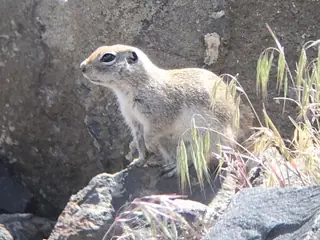 | Townsend's Ground Squirrel Urocitellus townsendii Sciuridae | 11 in (290 mm) body | under 1% | day | 16 |
Share of Oregon is the part of the state inside the species' USGS range map. Size is the largest on record where the source gives a maximum, otherwise a typical adult. Records are open-licence observations and specimens in the state; a blank means none were counted, not that the species is absent.
More Oregon lists
Other groups in Oregon
Rodents in nearby states
Sources
- Amniote life-history database. CC0. Read 2026-11-15.
- COMBINE: a coalesced mammal database of intrinsic and extrinsic traits. CC BY 4.0. Read 2026-11-15.
- EltonTraits 1.0. CC0. Read 2026-11-15.
- GBIF Backbone Taxonomy. CC BY 4.0. Read 2026-11-15.
- GBIF occurrence records under CC0 and CC BY 4.0. CC0 and CC BY 4.0 per record. Read 2026-11-15.
- PanTHERIA 1.0. CC0. Read 2026-11-15.
- US Census Bureau cartographic boundary files 2023. Public domain (US Census Bureau). Read 2026-11-15.
- USGS GAP 12-digit hydrologic unit range units. Public domain (USGS). Read 2026-11-15.
- USGS Gap Analysis Project Species Range Maps CONUS_2001. Public domain (USGS). Read 2026-11-15.
- iNaturalist photographs under CC0 and CC BY. CC0 and CC BY per photograph. Read 2026-11-15.
How each figure is derived is set out on the methods page.